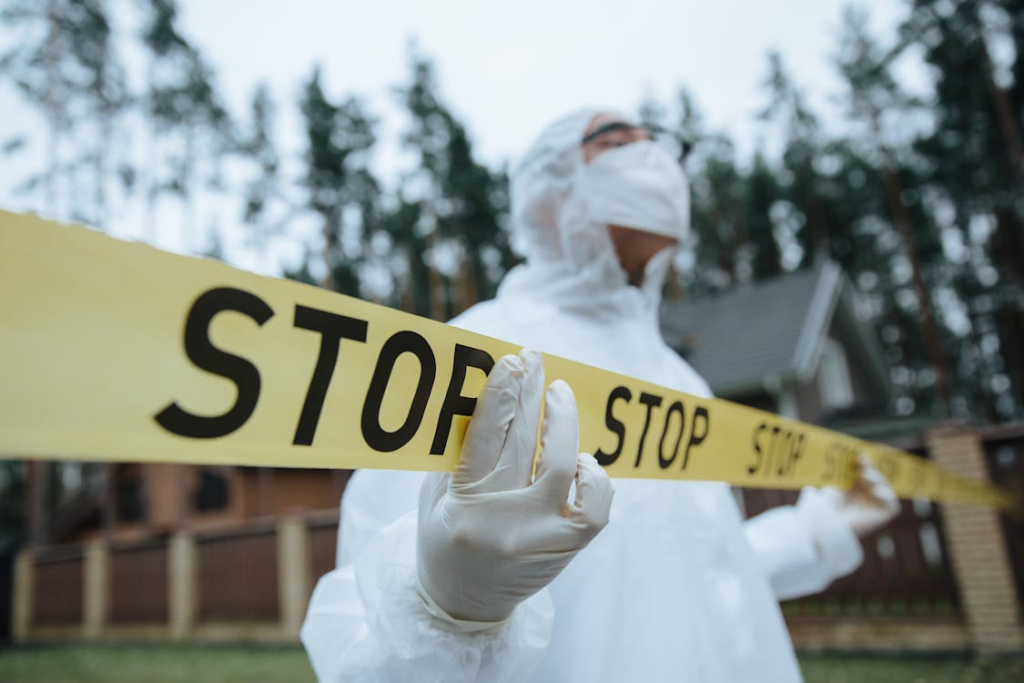
Crime Scene Cleanup: The Job Most People Never Talk About
When a traumatic event occurs, most attention is focused on first responders, investigators, and families as they try to absorb the changes. After the scene is released, the space can still hold serious hazards, biofluids, damaged materials, and contamination that is not always visible from the doorway.
Crime scene cleanup professionals step in at that point. The work is technical, safety-driven, and highly methodical, designed to make an area safe for re-entry and use. It is rarely discussed, yet it is a real part of how communities recover after difficult moments.
What Crime Scene Cleanup Really Involves
Crime scene cleanup is not routine housekeeping. It often includes blood or other potentially infectious materials, damaged furniture, sharp debris, and porous surfaces that may have absorbed contamination.
A team begins with an assessment: what areas were affected, what materials can be treated, and what must be removed. They do not disturb evidence, and they follow rules about when a site can be entered and what procedures are permitted.
Jobs can range from a single room to larger areas like stairwells, vehicles, or commercial spaces. Every location requires a tailored approach because flooring, ventilation, and building layout change how contamination spreads.
The Safety Risks People Don’t See
Biohazards are unpleasant, and they can be dangerous. Blood and certain body fluids can carry pathogens, which is why professional protocols focus on preventing contact exposure, splashes, and cross-contamination to clean areas.
Protective equipment is chosen based on risk. Gloves, eye protection, respirators, protective suits, and footwear protection are common. Wearing PPE correctly matters just as much as having it, because a rushed doff can transfer contaminants to skin or clothing.
Many industry practices align with workplace and public health guidance, including OSHA concepts in bloodborne pathogen safety and CDC principles for infection prevention. These standards influence training, decontamination steps, and how waste is handled from start to finish.
How Professionals Contain And Remove Biohazards
Containment is a priority. Technicians limit traffic through the space, isolate affected zones, and use barriers to prevent tracking material into hallways, HVAC returns, or shared building areas.
Removal may involve cutting out contaminated carpet pad, baseboards, drywall sections, or insulation when disinfection cannot reliably reach the affected material. This can feel drastic, yet porous materials often cannot be made safe once fluids soak in.
People often feel overwhelmed when they first see the damage. When they need help quickly, they often look for services like emergency scene remediation to manage containment, safe removal, disinfection, and proper disposal without guesswork during a stressful situation. A qualified team can explain the steps clearly and start work with the right safety controls in place.
Disinfection, Deodorization, And Verification
After unsalvageable materials are removed, the remaining surfaces are cleaned and disinfected using products appropriate for biohazard remediation. Selecting the right disinfectant and following label contact times is a key step.
Odors can linger even after visible cleanup, particularly when porous materials were involved. Professional deodorization focuses on eliminating the source, which may involve specialized filtration, treatment of affected cavities, and careful attention to subfloor and wall voids.
Verification is part of quality work. A reputable team documents what was removed, what was treated, and what procedures were used, then performs detailed checks to confirm the space is safe to return to normal use.
The Emotional Side Of A Technical Job
This job is technical, yet it takes emotional steadiness. Crews enter spaces tied to grief, shock, or conflict, and they must balance compassion with a strict safety focus and attention to detail.
Respect and privacy matter. Professional teams avoid unnecessary discussion, limit exposure of sensitive areas, and communicate in a calm, direct way so clients understand what will happen without being overwhelmed by details.
Many companies train staff to support families without trying to “counsel” them. Clear boundaries help: the technicians handle hazards and restoration steps, while families can focus on support systems, logistics, and next decisions.
When To Call A Specialist And What To Ask
If there is blood, decomposition, unknown contamination, or a strong, persistent odor after a traumatic event, it is safer to treat the situation as a biohazard problem. DIY cleanup can spread contamination, increase exposure risk, and permanently damage surfaces that might have been salvageable with the right approach.
When calling a provider, ask about training, insurance, and how they handle regulated waste. It is reasonable to request a simple explanation of their process, what materials may be removed, and how they prevent contamination from spreading beyond the affected area.
Ask what documentation they provide for insurance and property records, and whether they coordinate with other restoration needs such as structural repair or flooring replacement. A clear scope of work reduces misunderstandings and helps the home or business return to normal more smoothly.
Crime scene cleanup sits at the intersection of public health, safety, and human reality. Done correctly, it requires containment, removal of unsalvageable materials, careful disinfection, odor control, and verification that the space is safe again.
The work is rarely visible, yet it can be the bridge between a traumatic moment and a usable, livable space. When trained professionals manage hazards and process details, families and property owners can focus on support and next steps rather than exposure risks and uncertainty.
Sujan Pariyar is an internationally accomplished writer and entrepreneur, with his work featured in various renowned international magazines. Known for his innovative ideas and compelling storytelling, Sujan continues to inspire and engage audiences around the world.