


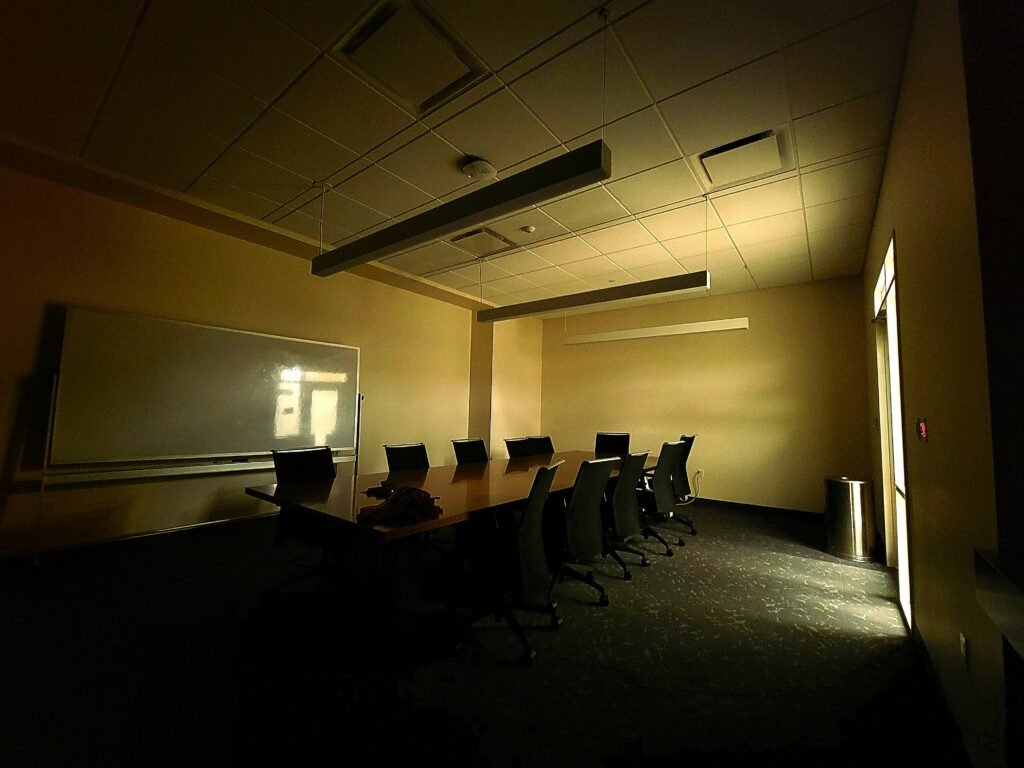
What is a Back Casting Room?
A back casting room is a specialized space designed for strategic planning that emphasizes future-oriented thinking. This innovative concept allows stakeholders to envision desired future outcomes and work backwards to identify the steps needed to achieve these objectives. The primary purpose of a back casting room is to facilitate collaborative discussions among team members, enabling them to delineate strategies and actionable plans that align with their long-term vision.
The design of a back casting room plays a crucial role in its effectiveness. Often characterized by flexible seating arrangements, whiteboards, and digital collaboration tools, the environment encourages open communication and creativity. This layout does not conform to traditional meeting spaces; rather, it supports dynamic interaction and brainstorming sessions. The intent is to foster an atmosphere where participants feel comfortable sharing ideas and challenging existing paradigms.
Key elements that define a back casting room include visual aids that represent future scenarios, such as timelines, diagrams, or infographics, which help visualize the end goals. The room may also incorporate technological resources that facilitate remote collaboration, allowing participants to engage from various locations. By leveraging these tools and features, a back casting room ensures that all voices are heard, and every idea can contribute to the development of a robust strategic plan.
In this way, the function of the back casting room is not merely to discuss the present but to proactively shape a preferred future through systematic planning. This methodology aligns with systems thinking, where complex issues are addressed holistically. Overall, the back casting room becomes an integral part of forward-thinking practice, reinforcing the commitment of organizations to navigate uncertainty by visualizing and planning for their desired future outcomes.
The Importance of Backcasting in Strategic Planning
Backcasting has gained significant attention as a strategic planning methodology that contrasts sharply with traditional forecasting approaches. Rather than predicting future trends based on past data, backcasting involves envisioning a desired future state and working backward to identify pathways to achieve that vision. This reverse engineering technique is particularly beneficial in complex scenarios where multiple variables and uncertainties exist.
The core premise of backcasting is its focus on long-term goals rather than extrapolating from historical data. Organizations often find themselves limited by conventional forecasting, which can constrain creativity and lead to overly conservative strategies. In contrast, backcasting opens up possibilities by encouraging teams to dream big and establish ambitious objectives. From this perspective, planning becomes a proactive process, one that challenges assumptions and empowers organizations to pivot when necessary.
Another key advantage of backcasting lies in its ability to foster collaboration among stakeholders. When an organization sets a clear vision for the future, it can more effectively engage various parties in discussions about the means to achieve that vision. This creates a sense of ownership and accountability, as individuals understand their roles in the broader context of the organization’s aspirations. Moreover, this collaborative process aligns efforts across departments, ensuring that everyone is moving towards the same goals.
In essence, backcasting serves as an invaluable tool in the back casting room, enabling teams to explore and prepare for a range of future scenarios. It encourages organizations to articulate a clear vision and create strategic plans that are not only responsive but also ambitious and innovative. By adopting a backcasting mindset, businesses can navigate complexities and better prepare for the challenges of tomorrow.
Physical Design and Layout of a Back Casting Room
A well-thought-out physical design and layout of a back casting room serve as the backbone for effective future-oriented planning. The arrangement of space can significantly influence collaboration, creativity, and productivity among participants. One of the primary considerations is seating arrangements. Circular or semi-circular seating promotes open dialogue and interaction, ensuring that every participant feels engaged. This type of setup fosters a sense of equality, allowing ideas to flow freely among teammates.
Incorporating visual aids, such as whiteboards, pinboards, or digital screens, is vital in a back casting room. These tools support the brainstorming process and help visualize concepts and plans that emerge during discussions. The accessibility of these aids ensures that thoughts and ideas are captured in real-time, further enhancing participant engagement.
Technology integration cannot be underestimated. Equipping the room with audio-visual capabilities, video conferencing tools, and access to digital brainstorming platforms allows for remote participation and contributes to a dynamic setting that keeps everyone connected. The use of collaborative software or applications can transform the back casting room into a digital workspace that is inclusive and participatory.
The ambiance of a back casting room plays a crucial role in stimulating creativity. Natural light, comfortable furnishings, and a calming color palette help create an inviting atmosphere. Additionally, adjustable lighting options can provide participants with control over their environment, allowing them to choose the lighting that best suits their needs during different phases of the planning process.
In conclusion, the effective design and layout of a back casting room, including thoughtful seating arrangements, the incorporation of technology, and attention to ambiance, are essential components that foster an environment ripe for innovative planning and collaboration.
Key Activities in a Back Casting Room
The back casting room serves as a dynamic environment where a range of critical activities facilitate future-oriented planning. One of the primary activities conducted in this space is brainstorming sessions. During these sessions, participants generate ideas without restrictions, allowing for innovative thoughts to surface. This creative exchange fosters an atmosphere where unconventional solutions can emerge, which is vital to the backcasting process.
Another crucial activity within a back casting room is scenario development. Teams engage in constructing detailed, plausible future scenarios based on current trends and anticipated changes. This exercise enriches the understanding of potential futures, enabling participants to visualize outcomes and consequences of various strategic choices. By employing scenario analysis, stakeholders can better assess risks and opportunities, which is integral to effective planning.
Moreover, problem-solving workshops are instrumental in the back casting room. These workshops focus on identifying and addressing specific challenges that might impede progress toward future goals. By employing structured methodologies, facilitators and participants collaborate to dissect issues, explore underlying causes, and brainstorm actionable solutions, thereby enhancing the overall strategic framework.
Finally, strategy formulation within a back casting room involves synthesizing insights garnered from brainstorming, scenario development, and problem-solving activities. Teams establish actionable plans that align with their long-term vision while incorporating tactical steps to achieve short-term objectives. This comprehensive approach ensures the strategies devised are not only forward-thinking but also pragmatic, resulting in effective backcasting outcomes.
Facilitating Effective Collaboration
Collaboration is a cornerstone of successful planning within a back casting room. It is vital that all participants feel engaged and valued during discussions, as their diverse perspectives and ideas contribute significantly to the outcomes. Several techniques can be employed to facilitate this process.
One effective method is the establishment of clear objectives at the outset of meetings. By outlining the goals of the session, participants can better understand the context and relevance of their contributions. Moreover, utilizing visual aids and collaborative tools, such as whiteboards and digital platforms, can help in capturing ideas and fostering a more interactive environment. These tools encourage participants to express their thoughts freely, enhancing creativity and innovation.
To manage group dynamics effectively, it is essential to create a safe and inclusive atmosphere. This can be achieved by setting ground rules that promote respect and openness. Facilitators should actively encourage quieter individuals to share their insights and opinions, ensuring a balanced representation of voices. Techniques such as round-robin discussions or structured brainstorming can help in achieving this inclusivity.
Additionally, utilizing the expertise of a trained facilitator can significantly enhance the collaborative experience within the back casting room. A facilitator can guide discussions, mediate conflicts, and ensure that all viewpoints are considered. This role is particularly important in addressing any power imbalances that may arise, thus safeguarding the democratic nature of the planning process.
In conclusion, facilitating effective collaboration in a back casting room requires a thoughtful approach to group dynamics, engagement techniques and a commitment to inclusivity. By creating an environment where every voice is heard, teams can harness the full potential of their collective intelligence, leading to more informed planning decisions.
Tools and Resources for Back Casting
The back casting process is a strategic approach that requires efficient tools and resources to effectively translate future objectives into actionable steps. Utilizing digital platforms can significantly enhance collaboration and idea generation among stakeholders. Tools such as mind mapping software and project management applications facilitate a structured way to visualize backcasting scenarios, allowing teams to organize their thoughts and track progress. Noteworthy options include Trello, Asana, and Miro, which enable users to create interactive boards for brainstorming and planning.
Collaboration software, such as Microsoft Teams and Slack, fosters communication among team members, ensuring that all voices are heard in the backcasting room. These platforms can streamline conversations, share files, and host virtual meetings, making it easier for teams to generate and refine their ideas collectively. Moreover, leveraging cloud-based document sharing tools, like Google Drive or Dropbox, ensures that all planning materials are accessible to account for real-time collaboration.
Physical resources also play a critical role in the backcasting process. Whiteboards and flip charts are invaluable for capturing brainstorming sessions. They allow facilitators to visually organize thoughts and draw connections between ideas. Sticky notes can be particularly beneficial for participants to contribute their thoughts dynamically, creating a tactile and engaging experience. The physical arrangement of the back casting room can further enhance interaction, as an open layout encourages participation and creativity.
Overall, a combination of digital tools and physical resources can greatly improve the effectiveness of the back casting process. By utilizing these resources, teams can ensure a comprehensive approach to future planning, fostering a conducive environment for innovative ideation.
Case Studies: Successful Back Casting Initiatives
Back casting rooms have emerged as effective platforms for organizations to engage in future-oriented planning. Through these dedicated spaces, various entities have developed and implemented successful strategies by envisioning their goals and working backward to determine the steps needed to achieve them. One prominent example can be seen in urban planning initiatives undertaken by the city of Medellín, Colombia.
In Medellín, a participatory back casting room brought together local stakeholders, community members, and urban planners. Participants identified a future vision for a sustainable city and generated actionable steps to progress towards these objectives. This initiative led to the transformation of previously neglected areas into vibrant community spaces, demonstrating how back casting can facilitate collaboration and innovation.
Another notable case study is that of a multinational corporation focusing on sustainability initiatives. The company established a back casting room to address environmental challenges and foster a culture of sustainability among its teams. By visualizing a zero-waste future, the organization was able to backtrack and identify key milestones and processes that would ultimately lead to substantial waste reduction. Consequently, this initiative not only enhanced their corporate responsibility efforts but also resulted in significant cost savings.
Lessons learned from these examples underscore the importance of inclusivity in the back casting room process. Engaging a diverse group of stakeholders enables organizations to incorporate various perspectives, leading to more holistic and impactful outcomes. Additionally, defining a clear vision and measurable milestones ensures accountability and facilitates progress tracking.
In conclusion, the successful implementation of back casting rooms in diverse contexts highlights their value as tools for strategic planning and community engagement. Organizations that harness these innovative approaches are better equipped to navigate complexities and achieve their long-term objectives.
Challenges and Solutions in Back Casting
Back casting, while a powerful tool for planning and strategic foresight, comes with its unique set of challenges. One of the most significant hurdles teams face is reconciling the ambitious visions developed during the back casting process with the practical realities of resource limitations and operational constraints. This disconnect can lead to frustration and disengagement among team members if not carefully managed.
Another challenge lies in establishing a clear and coherent timeline for implementation. When teams envision a desired future state, they must also delineate the steps necessary to reach that point. Often, teams struggle with defining these milestones accurately, leading to confusion and lack of accountability.
Communication issues also frequently emerge in backcasting exercises. Teams may have differing interpretations of the future scenario being projected, resulting in misaligned goals and ineffective strategies. This variation can stem from diverse perspectives within the group or from external stakeholders that may not be included in the discussions.
To tackle these challenges effectively, several solutions have been proposed. Firstly, it is vital to engage in thorough preparatory work that includes all stakeholders in the back casting room. This collective effort ensures that everyone has a shared understanding of the vision and is committed to achieving the defined objectives.
Additionally, adopting iterative processes can facilitate clearer timelines and milestone setting. Regularly reviewing and adjusting the planned steps based on emerging data or changing circumstances can enhance adaptability, allowing teams to pivot when necessary.
Finally, fostering an open dialogue among team members can significantly mitigate communication barriers. Regular check-ins and feedback loops can help ensure all voices are heard and contribute to a cohesive approach towards achieving the desired future state. By recognizing and addressing these challenges proactively, teams can leverage the back casting methodology more effectively in their strategic planning efforts.
Future of Back Casting Rooms
The evolution of back casting rooms is poised to reflect the ongoing advancements in technology, coupled with transformative shifts in organizational culture. In recent years, the integration of sophisticated data analytics tools and simulation software has enhanced the decision-making processes within these strategic planning environments. As organizations increasingly prioritize long-term sustainability and resilience, back casting rooms are expected to become even more vital in framing scenarios that align with future objectives.
Moreover, the rise of collaborative technologies is anticipated to redefine the way stakeholders interact within back casting rooms. Virtual reality (VR) and augmented reality (AR) tools could facilitate immersive simulations, allowing participants to visualize future outcomes and the repercussions of potential decisions. This immersive experience may foster a deeper understanding of complex scenarios, thereby enabling more informed choices. Furthermore, remote collaboration platforms are likely to promote inclusivity, ensuring that a diverse array of perspectives contributes to the back casting process.
Additionally, organizational culture is shifting towards greater adaptability and responsiveness to change. This cultural evolution will likely drive back casting rooms to embrace flexibility in their methodologies. As teams increasingly operate in agile structures, the traditional linear approach of planning may give way to more dynamic frameworks, allowing for continuous revisions and updates based on emerging trends and real-time data.
In conclusion, the future of back casting rooms will likely be characterized by innovative technologies and evolving workplace cultures. These developments stand to enhance the strategic value of back casting rooms, ensuring they remain a core component in the pursuit of sustained organizational success and adaptability in an ever-changing landscape.


We create powerful, insightful content that fuels the minds of entrepreneurs and business owners, inspiring them to innovate, grow, and succeed.