


Introduction to Back Casting and the Back Casting Room
Back casting is an innovative and strategic planning approach that begins with a clear vision of the desired future. The process involves envisioning a specific goal or outcome and then working backwards to determine the necessary steps and milestones needed to achieve that future. This method contrasts with traditional forecasting techniques that primarily look at the present and project into the future based on current trends. Back casting focuses on defining a target endpoint, ensuring that the planning process is aligned with the ultimate objectives.
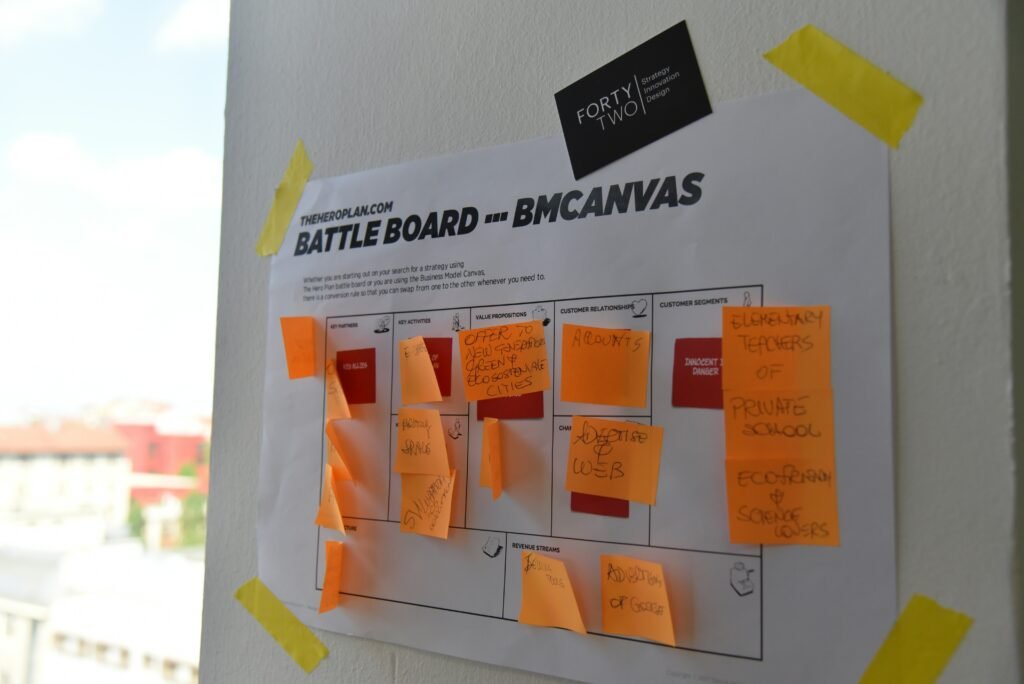
In the context of this strategy, a back casting room is an essential space where teams convene to engage in iterative planning sessions. This dedicated environment is designed to foster collaboration, creativity, and critical thinking. The back casting room facilitates discussions that allow participants to brainstorm potential pathways to their envisioned future. The layout may include visual aids such as timelines, goal charts, and post-it notes to illustrate thoughts, ideas, and feedback collected during these collaborative sessions.
Furthermore, the back casting room allows teams to simulate various scenarios, assessing how different choices could push them towards—or away from—their intended goals. This strategic environment demonstrates not only the importance of collaboration but also of preparation and flexibility in navigating complex challenges. Through this process, organizations can develop comprehensive strategies that integrate sustainability and adaptability into their core objectives.
Ultimately, both the concept of back casting and the physical space of the back casting room are instrumental in fostering a culture of proactive planning and innovation, equipping organizations with the tools needed to identify and achieve their future aspirations effectively.
The Origins and Evolution of Back Casting
Back casting, a strategic planning approach, has a nuanced historical backdrop that reflects its development and adaptation across various fields. Its origins can be traced back to the late 20th century, primarily influenced by the pragmatic needs of planning and forecasting in both environmental studies and organizational management. Early proponents of back casting recognized the limitations of traditional forecasting methods, which often relied heavily on present trends and linear projections. Instead, back casting emerged as a more holistic approach that not only considers current circumstances but also envisages a desirable future, working backwards to identify the necessary steps to attain that future.
The influence of critical thinkers such as Peter Schwartz, a notable figure in the field of scenario planning, cannot be overstated in the evolution of back casting. Schwartz’s work in the 1990s highlighted the importance of envisioning multiple future scenarios, thus paving the way for methodologies that incorporate back casting principles. This approach fundamentally challenges traditional forecasting by emphasizing the importance of a vision of the future and the pathways required to achieve it.
As time progressed, back casting has found its way into diverse fields such as sustainability, urban planning, and business strategy. Various organizations began integrating back casting into their strategic frameworks to better address complex long-term challenges. Its adaptability allows for a seamless integration of diverse perspectives and stakeholder inputs, making it an invaluable tool in collaborative environments. The evolution of back casting has transformed it from a mere theoretical concept into a practical strategy employed by governments and private sectors alike, highlighting an effective methodology for future-oriented decision-making.
The Importance of Defining a Desirable Future
Defining a desirable future within the context of a back casting room is crucial for any strategic planning initiative. The back casting approach begins with envisioning a preferred future state, and this vision serves as the cornerstone for developing actionable strategies. By articulating a clear and compelling future, teams can anchor their objectives in a tangible outcome, ensuring alignment and coherence in their planning efforts.
A well-defined future not only motivates team members but also acts as a guiding light for decision-making and resource allocation. When teams share a common vision, collaboration is enhanced, allowing for the identification of shared goals and priorities. This clarity fosters an environment where individual contributions are geared towards a collective achievement, minimizing misalignment and misunderstandings.
Moreover, a desirable future acts as a measurement tool for assessing progress. By setting specific milestones based on this vision, organizations can gauge whether their strategies are effectively pushing them toward their long-term objectives. This feedback mechanism allows for adjustments to be made in real time, ensuring that the organization remains on track to attain its desired outcomes.
In the context of back casting, understanding the end goal enables teams to trace back their steps and map out the strategic pathways leading to that goal. This structured approach leads to a more focused allocation of resources and ensures that team members remain committed to the vision. Implementing back casting without a clear picture of the future can lead to ineffective strategies and wasted efforts.
Thus, investing time and effort in defining and communicating a desirable future within the back casting room is essential. It solidifies the foundation for strategic planning and aligns all team members, paving the way for measurable success.
How the Back Casting Room Facilitates Collaborative Planning
The concept of a back casting room is integral to the collaborative planning process. This environment is specifically designed to bring together diverse team members, fostering a culture of inclusivity and creativity. By physically and mentally shaping the room as a space for informal yet focused discussion, participants are encouraged to express their ideas and insights freely, which is essential in developing effective strategic plans.
One of the key features of a back casting room is its layout. The arrangement often reflects a more relaxed and open format, abandoning traditional boardroom styles that can inhibit communication. This design promotes fluidity during discussions, allowing participants to engage in dynamic brainstorming sessions. Whiteboards, sticky notes, and visual aids are commonly utilized tools that support the idea generation process, making it easier for individuals to visualize concepts and make connections between their ideas.
Moreover, the back casting room serves as a unifying space for the team, breaking down hierarchical barriers that often stifle collaboration. By establishing a non-confrontational atmosphere, members at all levels feel empowered to contribute to the conversation, leading to richer and more nuanced discussions. This approach not only enhances the quality of input but also builds collective ownership of strategic goals and outcomes.
Encouraging open discussions further facilitates the integration of diverse perspectives. In the back casting room, facilitating methods such as design thinking or round-table discussions can be incorporated, promoting a more interactive experience. This engagement cultivates critical thinking and allows for adaptive strategies to emerge. Ultimately, the unique dynamics of a back casting room create an environment where collaboration flourishes, paving the way for innovative solutions and successful long-term planning.
Applications of Back Casting Rooms Across Different Fields
Back casting rooms serve as versatile platforms for strategic planning across various sectors, enabling organizations to visualize and implement future outcomes by considering reverse trajectories. In the realm of corporate strategy, firms utilize back casting methods to align their long-term goals with actionable steps. For instance, a leading technology company might define its envisioned state, such as becoming carbon neutral by 2030, and then identify the specific innovations and operational changes needed to achieve this goal.
Environmental sustainability is another field where back casting rooms have found significant applications. Non-profit organizations and governmental bodies often employ back casting techniques to create sustainable development plans. A notable example can be seen in cities taking initiatives to reduce carbon footprints; they work backwards from their climate goals to identify policies, renewable energy investments, and community programs that need to be established to meet these objectives.
Urban planning has also greatly benefited from back casting methodologies. By envisioning a desired urban environment, planners can better organize infrastructure projects, zoning laws, and public transport systems. A city might envision a vibrant, pedestrian-friendly downtown area and will then create plans for the phased development needed to realize that vision, ensuring community engagement and sustainability are central to the process.
Finally, social change initiatives often rely on back casting to create effective frameworks. Organizations engaged in social justice advocacy can identify desired outcomes, such as equitable access to education or healthcare, and then develop campaigns or programs that address systemic barriers leading to these outcomes. In many cases, a diverse range of stakeholders collaborates in back casting rooms to ensure a well-rounded approach to these significant societal challenges. By implementing back casting, organizations across these varying fields can strategically navigate their paths towards meaningful change and improved outcomes.
Benefits of Using Back Casting Rooms for Strategic Planning
In the realm of strategic planning, the implementation of back casting rooms offers a myriad of benefits that substantially enhance the planning process. One of the primary advantages is the enhanced clarity it provides to the participants. By working backwards from a desired future state, stakeholders can better articulate and visualize the steps necessary to achieve their goals. This methodical approach helps eliminate confusion and fosters a shared understanding among team members regarding their objectives.
Furthermore, back casting rooms allow organizations to maintain improved focus on long-term goals. Rather than becoming bogged down with immediate concerns and short-term results, teams engaged in back casting are encouraged to think broadly about their future aspirations. This shift in focus enables organizations to allocate resources effectively and ensures that every action taken aligns with their overarching vision.
Another significant benefit of using back casting rooms in strategic planning is the increase in team engagement. By involving diverse stakeholders in the formulation of future scenarios, organizations tap into a wealth of knowledge and perspectives. This collaborative effort not only fosters a sense of ownership among team members but also leads to innovative ideas and solutions that may not have been considered through traditional planning methods.
Additionally, back casting rooms contribute to better adaptability in the face of changing circumstances. By establishing a clear trajectory towards desired outcomes, organizations can more readily adjust their strategies as new challenges and opportunities arise. This flexibility enables entities to respond proactively rather than reactively to external changes, thereby sustaining momentum toward achieving their long-term objectives. Overall, integrating back casting rooms into strategic planning processes is a forward-thinking approach that can yield significant advantages for organizations.
Challenges and Limitations of the Back Casting Approach
The back casting room method presents a strategic framework for planning, yet it is not without its challenges and limitations. One of the primary issues is the tendency for teams to focus too heavily on idealized outcomes rather than practical and achievable milestones. This can lead to unrealistic expectations that hinder progress. It is crucial for participants in the back casting room to maintain a balance between aspirational goals and actionable steps to ensure feasibility and buy-in from stakeholders.
Another common pitfall is the misconception that back casting is a linear process. In reality, the approach is inherently iterative. Teams might anticipate a straightforward progression from envisioned goals to concrete actions, which can result in frustration when unexpected complexities arise. A lack of flexibility may inhibit the team’s ability to adapt its strategies, consequently stalling the forward momentum essential for the successful implementation of ideas generated in the back casting room.
Additionally, situational factors play a significant role in the effectiveness of back casting. External influences, such as economic fluctuations or evolving technological landscapes, can shift priorities and undermine previously established goals. This unpredictability requires teams to remain vigilant and responsive, ensuring that their back casting sessions incorporate contingency planning. By actively addressing these external factors, teams can enhance their resilience and adaptability.
In summary, while the back casting room provides valuable insights and strategic direction, it is important to recognize the inherent challenges and limitations. By being aware of potential pitfalls and incorporating flexibility, teams can maximize the effectiveness of their back casting initiatives, ultimately leading to more successful planning outcomes.
Best Practices for Conducting Effective Back Casting Sessions
Conducting effective back casting sessions in a back casting room requires careful planning and execution. Setting the right environment is fundamental to fostering productive discussions. The physical space should be comfortable and conducive to collaboration, with adequate seating arrangements and resources such as whiteboards or projectors readily available. Ensuring the room is free from distractions is critical, as it allows participants to focus entirely on the task at hand.
Employing proper facilitation techniques is another essential element. A skilled facilitator can guide the discussion, helping to keep participants on track while encouraging diverse perspectives. It is important for the facilitator to establish clear objectives for the session beforehand and communicate these goals to all participants. This helps in maintaining focus and ensures that everyone understands their roles within the back casting room.
Inclusivity is vital during discussions as it promotes a broader range of ideas and solutions. Encouraging participation from all members can lead to richer insights and innovative outcomes. Techniques to foster inclusivity may include structured brainstorming sessions or small group discussions, which can help quieter team members feel more comfortable sharing their thoughts. Additionally, implementing technology, such as collaborative online tools, can ensure that those unable to physically attend can contribute meaningfully.
Finally, it is important to document the outcomes of each back casting session thoroughly. Creating comprehensive records keeps everyone informed and is valuable for refining future strategies. Implementing these best practices can significantly enhance the effectiveness of back casting sessions, leading teams toward successful long-term planning and decision-making.
Conclusion: Embracing the Future with Back Casting
In recent years, the back casting room has emerged as a valuable asset for organizations aiming to secure their long-term futures. By enabling teams to envision their desired end states and then working backward to identify the necessary steps, this strategic planning approach encourages a holistic view of possibilities. It allows organizations not only to anticipate potential challenges but also to explore innovative solutions that may not have been initially considered.
Throughout this exploration of the back casting room, we have highlighted the significance of having a framework that promotes forward-thinking and adaptability. Rather than merely reacting to changes in the external environment, businesses employing back casting can proactively shape their strategies, aligning resources and actions toward a clearly defined goal. This method serves as an antidote to the uncertainties that complicate future planning, as it emphasizes clarity of vision and strategic foresight.
Additionally, the incorporation of diverse perspectives in the back casting room fosters creativity and collaboration among team members. The capability to visualize future scenarios based on collective insights enhances problem-solving efficacy, driving organizations towards more resilient and strategic outcomes. As complexities continue to proliferate across industries, leveraging tools like back casting rooms can empower teams to navigate these challenges with confidence.
As organizations strive for a competitive advantage in a fast-paced landscape, considering the adoption of the back casting room as part of their strategic planning process could prove transformative. By implementing this method, businesses are better positioned to pursue their aspirations and effectively manage uncertainties, ultimately paving the way toward their ideal futures.


We create powerful, insightful content that fuels the minds of entrepreneurs and business owners, inspiring them to innovate, grow, and succeed.