



Torque is the muscle that moves heavy iron. If you want machines to pull harder, push faster, or lift more with control, you need to shape how torque is made, multiplied, and delivered to the ground.
This guide breaks torque into practical pieces you can tune. We will look at engines, gearing, hydraulics, traction, electronics, and operator habits so you can find the torque you already paid for and make it work every day.
Understanding Torque And Power
Torque is a twisting force at the crank. Power is how fast that force gets work done. For slow, heavy jobs, you chase torque first, then choose gearing so the engine lives in its strongest band.
Engines make peak torque at a mid-range rpm. Run too slow and the engine lugs. Run too fast and torque falls off while fuel skyrockets.
Look at torque curves, not just top horsepower. A broad, flat curve lets you hold a gear longer, keep hydraulic speed stable, and reduce shift hunting under load.
Engine Fundamentals For High Torque
Displacement, airflow, and fuel rate set the ceiling. Turbo sizing, aftercooling, and injection timing decide how much of that ceiling you can touch at working rpm. The right setup gives a strong low-end pull without smoke or heat.
Many fleets standardize around proven 11-liter platforms for balance and serviceability, and the Cummins ISM is a familiar example. In spec reviews, you will often compare turbo maps and torque rise across competitors, and the Cummins ISM engine sits right in that sweet spot for vocational duty, then you layer gearing to keep it loaded smartly. Validate the package with instrumented pulls under real load so you can fine-tune ratios, control maps, and cooling before the machine hits the job site.
Aim for a healthy torque rise percentage so the engine holds rpm when the load hits. That cushion keeps you from downshifting too early and protects hydraulic responsiveness.
Gearing, Transmissions, And Final Drives
Torque multiplication starts with ratios. A shorter ratio feeds more twist to the axles at a given engine rpm. Pair that with a transmission that has close steps so the engine never falls out of its torque band.
Automated manuals and full automatics handle ratio changes differently. Automatics use a torque converter for launch and transient hits. Automated manuals use a clutch but can be programmed to hold gears longer under grade.
Final drives and planetary hubs add another stage of multiplication. For slow pushing or trench work, a deeper final drive lowers ground speed while raising tractive effort, which is exactly what you want.
Hydraulics And Hydrostatic Drives
Hydraulic systems convert engine power into linear and rotational work. Pump displacement, pressure limits, and flow control dictate how much torque a motor can deliver. Bigger displacement at the same pressure means more torque at a lower speed.
Hydrostatic drives shine in crawl-speed control. By matching pump and motor sizes, you can trade speed for torque on demand. Heat management becomes the guardrail, so size coolers accordingly.
Set relief valves and ramp rates to protect components but still allow a quick, forceful response. Slow ramps waste opportunities to keep the bucket full or the blade biting when the material changes.
Tires, Tracks, And Ground Engagement
All the torque in the world is wasted if the ground cannot take it. Tires need the right compound, tread, and pressure to transmit force without slipping. Underinflation kills fuel and sidewalls, while overinflation kills grip.
Tracks spread the load and raise the drawbar pull by increasing the contact area. Track tension matters: too loose and you ratchet, too tight and you waste power in friction. Keep idlers and rollers healthy so torque reaches the ground.
Match ground-engaging tools to the soil. Sharp edges, correct tooth spacing, and the right cutting angle lower the required torque, which feels like free power.
Weight, Balance, And Traction Aids
Ballast changes the equation. More weight on the drive axles raises the available tractive effort up to the limit of the surface. Balance front to rear and left to right so each tire or track shares the work.
Differentials and lockers decide how torque splits when the grip is uneven. Open diffs protect parts but let one wheel spin. Limited-slip and lockers push torque to the wheel that can use it.
Traction control, tire chains, and reversible tread patterns are situational tools. Use them when conditions demand, then remove or disable them to avoid wear and drag.
Electronics, ECUs, And Torque Management
Modern ECUs gate torque with maps tied to throttle position, gear, speed, and temperature. If the machine feels lazy, a conservative map might be the reason. Calibrate for your duty cycle within compliance rules.
Pedal, joystick, and transmission logic must agree. If the transmission demands a shift while the engine trims fuel, you get a flat spot. Sync request and delivery so torque arrives exactly when operators ask for it.
Use data logs to see real duty cycles. If the engine spends most of its time below peak torque rpm, adjust ratios or control maps to pull the curve into the zone where the machine actually works.
Maintenance, Fluids, And Filtration
Dirty air filters, tired injectors, and weak turbos steal torque long before failures appear. Monitor boost, fuel trims, and exhaust temps. Small corrections often restore full pull.
Fluids carry torque in transmissions and hydraulics. Wrong viscosity or old fluid adds drag and heat. Follow intervals, test samples, and match viscosity to climate.
Keep sensors accurate. A drifting pressure or temperature sensor can force the ECU to derate. Torque you paid for is still there, locked behind a bad signal.
Cooling, Exhaust, And Aftertreatment
Heat is the enemy of dense charge air. Clean coolers, healthy fans, and intact shrouds hold intake temps down so each stroke makes more twist. Shroud gaps are silent torque leaks.
Exhaust backpressure reduces breathing. Fix leaks upstream of sensors and clear restrictions downstream of the turbo. Backpressure should sit within spec under full load.
Aftertreatment needs a stable temperature and flow. Sooted DOCs and DPFs raise backpressure and throttle response drops. Preventive cleaning keeps torque crisp and fuel steady.

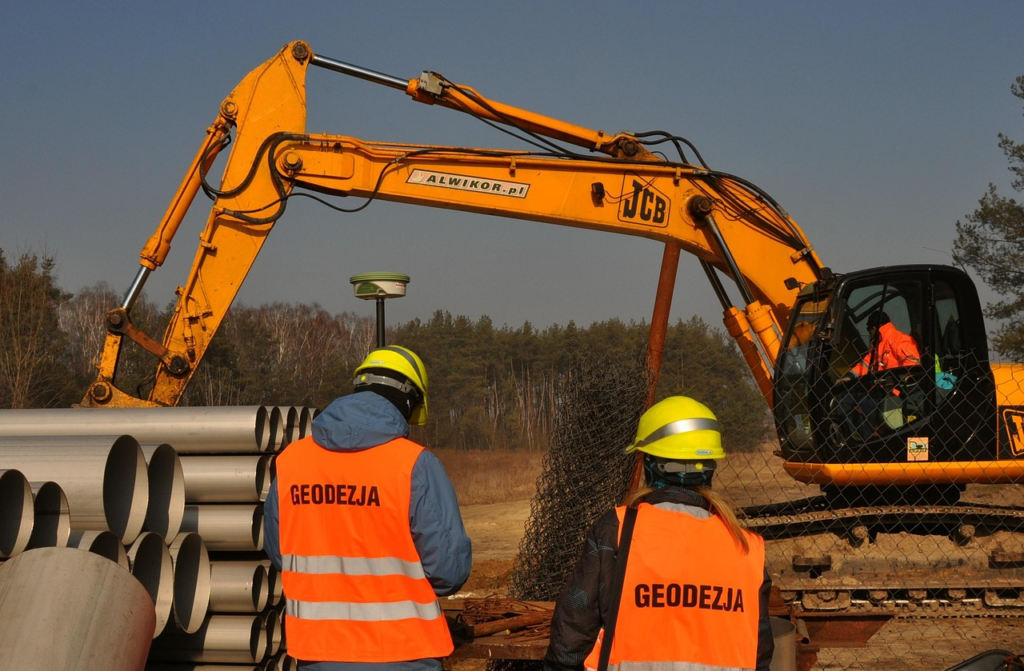
The path to stronger pull is not a mystery. It is a checklist of choices you can control: engine health, smart ratios, clean hydraulics, real traction, and synced electronics.
Do the simple things first, measure the change, and keep what works. Over a season, those small steps stack into a machine that hooks up hard, runs cooler, and gets more done with less drama.


Sujan Pariyar is a Senior Editor at Silicon Valley Times. He has extensive experience in business, technology, and entrepreneurship journalism, with previous contributions to HuffPost, Thrive Global, Matador Network, and other international publications.
Sujan specializes in interviewing industry leaders and creating insightful, well-researched content that helps entrepreneurs and business professionals navigate innovation, growth, and strategic challenges. His writing focuses on delivering clear, substantive perspectives that inform and support decision-making in today’s dynamic business environment.