


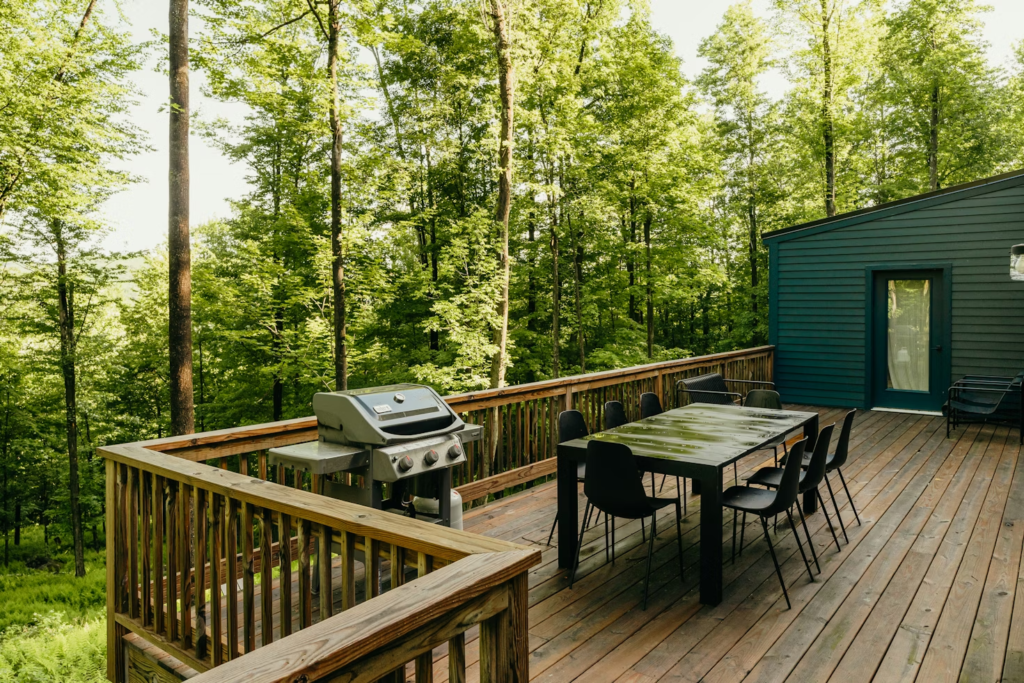
Designing a deck that can survive seasons of sun, rain, and freeze-thaw takes more than picking pretty boards. It means making smart choices at every layer, from soil and footings to fasteners and finishes. Use these 7 considerations to plan a deck that looks good and holds up for years.
Choose Materials that Match Your Climate
Start by weighing wood against composite or PVC. Wood offers a classic look and can be cost-friendly, but it needs regular sealing and can crack or cup if neglected. A design publication noted that composites are engineered for low upkeep and resist common issues like rot and fading, which can extend usable life with less work.
Think beyond the surface
Boards get the attention, yet railings, fascia, and trim face the same weather. If you pick composite decking, consider composite or metal rails and matching trim to keep maintenance simple and the look consistent.
Plan Framing and Connections for Long Life
Your frame carries every load and takes the brunt of moisture. Use pressure-treated lumber rated for ground contact where appropriate, and keep framing high and dry with generous airflow. A trade article reported that when a ledger is spaced at least 1/4 in from the wall for drainage and ventilation, certain code flashing requirements may not apply, so a stand-off ledger detail can reduce trapped water while you still follow local rules.
Protect critical interfaces
Anywhere wood meets masonry or sits near grade, add barriers. Peel-and-stick flashing on joist tops and beam crowns helps shed water. Small choices like these slow decay and keep fasteners from staying wet.
Footings and Soil Prep that Fight Movement
Durability starts below the frost line. Size footings to local loads and dig to stable soil so the deck does not heave or settle unevenly. The planning and permitting phase is a smart time to review options with your builder – experts like Platinum Deck and Patio can assess soil conditions, slope, and drainage – then choose footing types and layouts that fit your site.
Drainage matters at grade
Slope soil away from posts, and avoid mulching tight against wood. Gravel skirts or drains near low spots keep splash and standing water off framing and hardware.
Water Management from Top To Bottom
A durable deck sheds water rather than trapping it. Gap deck boards properly, include end grain sealers on cuts, and add diverters above door thresholds. If you are building over a living space, use a code-compliant under-deck drainage or a roof-deck system designed for foot traffic, not improvised membranes.
Details that pay off
Flash every penetration and transition. Kick-out flashings, Z flashings at trim, and end-dammed metal where needed stop leaks before they start. Keep gutters clear, so waterfalls do not hammer a single board edge all season.
Fasteners and Hardware that Resist Corrosion
Screws, bolts, and connectors are tiny compared with joists and beams, but they often fail first. Choose exterior-rated fasteners compatible with your lumber treatment and board type. Hidden fastener systems can reduce surface water traps and give a clean look, while structural connections like post bases and beam hangers should be hot-dipped galvanized or stainless in coastal or pool environments.
Match metals and materials
Avoid mixing stainless steel with plain steel, and do not pair aluminum directly with treated lumber without a barrier. Isolation pads, sleeves, and washers are small upgrades that protect the whole system.
Layout for Ventilation, Shade, and Use
Airflow under and through the deck drives drying. Keep at least 12 inches of clear space under framing where possible, and avoid boxing in the perimeter without vents. Plan board direction and gaps to encourage breezes, and place planters or storage where they will not trap moisture against rails and posts.
Comfort that extends lifespan
Shade structures reduce UV stress on boards and hardware while making the deck more comfortable. Built-in benches and planters should be detailed with drainage paths so they do not become moisture pockets.
Finishes and Care that Keep Problems Small

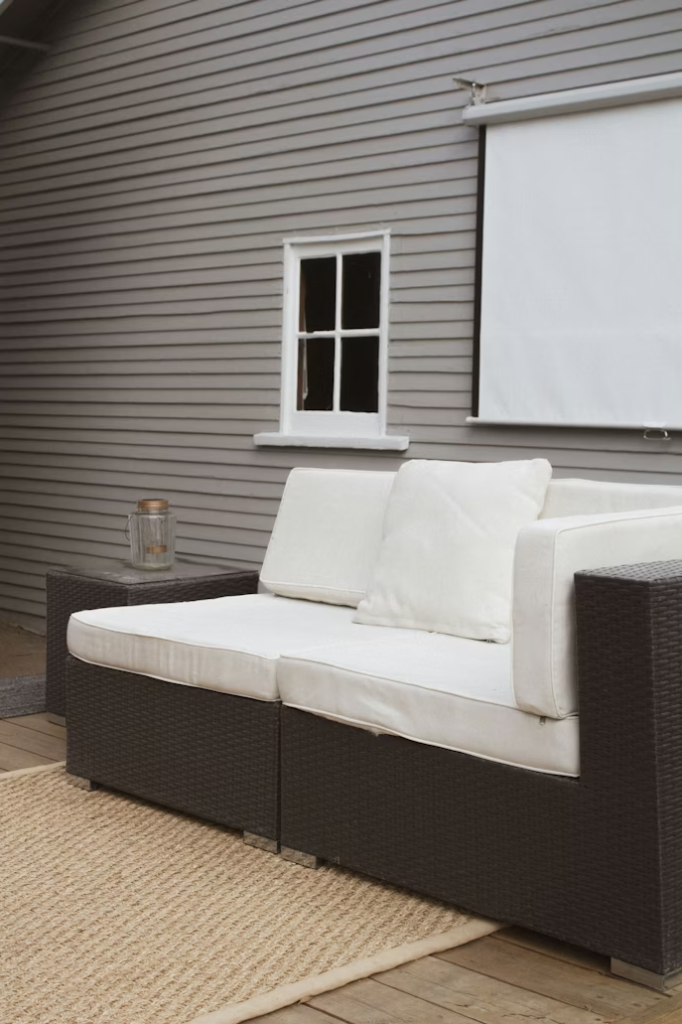
Durability is also about the maintenance you will actually do. Clean debris from gaps each season, rinse off salt and mud, and touch up cuts and end grain. A building resource noted that wood requires more frequent care over its life, while composites are designed to be close to maintenance-free, so choose a care plan that fits the material you install.
A deck that lasts is the result of many small, smart decisions. Focus on materials that fit your climate, details that move water away, and hardware that stands up to weather. With a thoughtful plan and steady upkeep, your outdoor space will stay strong and inviting for years.


We create powerful, insightful content that fuels the minds of entrepreneurs and business owners, inspiring them to innovate, grow, and succeed.