


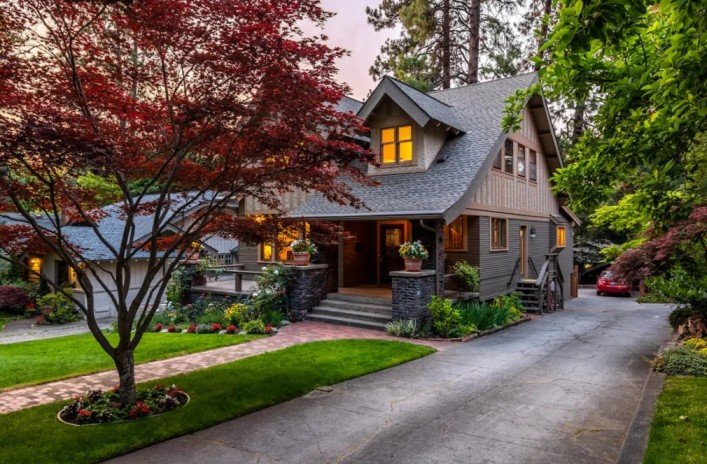
A home can look newer and more welcoming with a few focused exterior changes. The best upgrades work because they sharpen lines, add consistent color, and guide attention toward the entry instead of cohesive details getting lost in clutter.
When you plan improvements, think in layers: what people see from the street, what they notice as they walk up, and what stands out at night. With that approach, even smaller projects can produce a clear, instant lift.
Clean Edges And A Crisp Foundation Outline
One of the quickest ways to make a yard look maintained is to define every border. Recut bed edges, straighten walkway lines, and keep grass from creeping into mulch. Clean separation makes the whole exterior feel more intentional.
Tidy the foundation zone next. Pull weeds, remove leggy plants that block windows, and keep shrubs from pressing against siding. A little breathing room around the house helps the architecture show.
Finish with a simple maintenance rhythm: quick trimming after mowing, spot-weeding once a week, and a seasonal edge refresh. These small habits protect the upgraded look without adding a major time commitment.
Explore Pool And Water-Feature Project Ideas
Water-focused upgrades can change the feel of a backyard quickly, whether you are considering a fiberglass pool, a small water feature, or a refreshed patio area that is ready for future pool work. When the layout is planned as one cohesive zone, the space looks cleaner and more finished.
The strongest visual impact usually comes from the surfaces and structure around the water. Paver patios, retaining walls, and lighting help define the space, create safer footing, and make the yard look intentional from the house and from the property line.
A well-planned water upgrade often starts with gathering a few strong references. A simple first step is to look at pool and hardscape examples from experienced installers on their website, then choose the features that suit your yard layout. That quick review can help you narrow your choices and move forward with more confidence.
Refresh The Front Walk And Entry Details
The path to the front door is a visual runway, so fix what interrupts it. Power-wash stained concrete, level uneven pavers, and patch cracks that look worn.
If the walk feels narrow or bare, add a slim planting strip or a low border on one side. A repeated line of small shrubs or ornamental grasses keeps the view organized while softening hard surfaces.
At the door, update what people touch and notice up close. A new light fixture, fresh house numbers, and a well-sized doormat can make the entry look current without changing the whole facade.
Use Layered Planting And Repeatable Color
Layering plants by height creates a designed look. Use low groundcovers or perennials at the edge, mid-height shrubs behind them, and one or two taller anchors to frame corners or the entry.
Keep the palette consistent by repeating the same few plants in groups. University of Georgia Extension notes that mass plantings and year-round interest help strengthen curb appeal, since the landscape looks organized and stays attractive across seasons.
Choose plants that fit the amount of sun and the space they will have at maturity. Right-sized choices reduce constant pruning and prevent beds from looking crowded again a few months after installation.
Add Outdoor Lighting That Flatters And Protects
Good lighting improves safety and makes the home feel more polished after dark. Focus first on steps, the walkway, the driveway edge, and the front door, where shadows create the most risk.
Aim fixtures downward and avoid harsh glare. Softer lighting with consistent spacing tends to look more upscale than a single bright flood, while still helping people move confidently.
Use lighting to highlight one or two features, such as a small tree, a textured wall, or a clean planting bed. Accent lighting adds depth, which makes the property look more intentional at night.
Prune Trees And Shrubs For Clean Structure
Trees and shrubs influence curb appeal more than many people realize because they frame the house. Remove dead limbs, thin crowded branches, and restore shape so windows and rooflines are visible again.
Timing matters. The Arbor Day Foundation advises pruning spring-flowering trees after blooms fade, while many mid- to late-summer flowering trees and shrubs are best pruned in winter or early spring, and fall is often a poor time for pruning.
When in doubt, keep cuts conservative and prioritize safety issues, like limbs hanging over walkways or rubbing branches that damage bark. A clean canopy and tidy shrub lines can make the entire exterior look freshly updated.

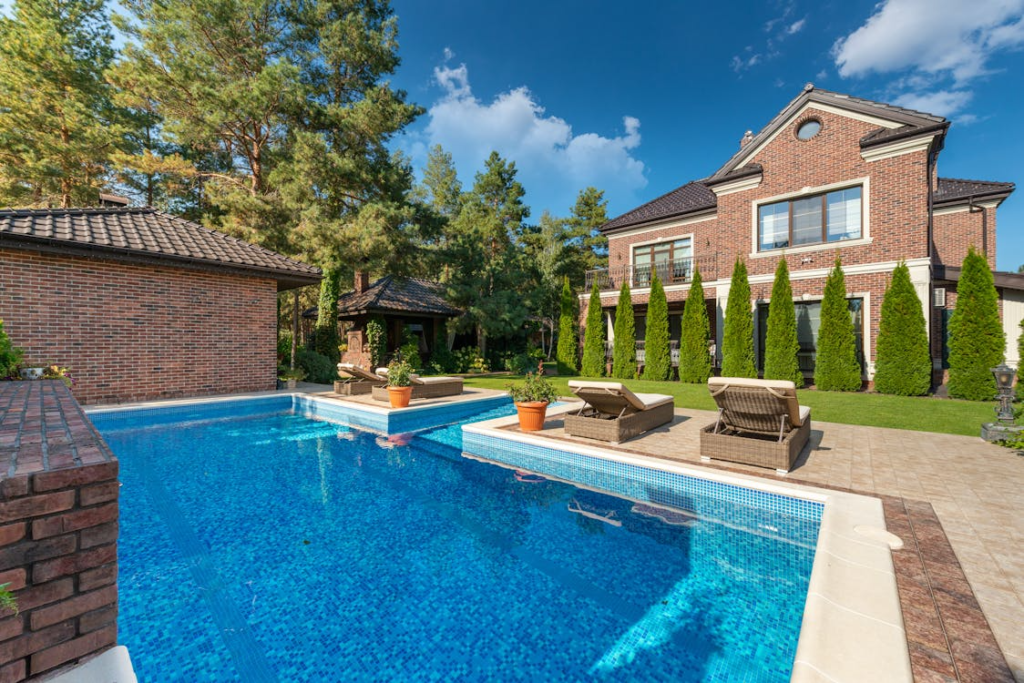
Outdoor upgrades look most impressive when they work together. Crisp edges, a clean entry path, repeatable planting, fresh mulch, and balanced lighting create a consistent feel that reads as high quality.
Start with the most visible areas near the street and the front door, then build outward. With a few well-chosen changes and simple upkeep, the home can look noticeably sharper without a major renovation.


We create powerful, insightful content that fuels the minds of entrepreneurs and business owners, inspiring them to innovate, grow, and succeed.