Supporting Healthy Hearing for All Ages
Healthy hearing supports learning, work, relationships, and safety at every stage of life. Because hearing changes can be gradual, many people adapt without noticing how much effort it takes to follow conversations, enjoy music, or hear everyday cues like doorbells and traffic.
The good news is that many common risks are manageable. A few steady habits, protecting your ears from loud sounds, treating issues early, and getting periodic checks, can help you keep communication clear and reduce long-term strain.
Understand What Puts Hearing At Risk
Hearing can be affected by genetics, illness, certain medications, and simple wear. Everyday factors matter too, including repeated loud sounds, untreated ear infections, and chronic congestion that affects pressure in the middle ear.
Noise exposure is one of the most preventable risks. Workplace and hobby noise can add up, and damage may build slowly over the years rather than showing up after one event.
It helps to notice the small signals: turning the TV up, asking people to repeat themselves, trouble hearing in restaurants, or ringing in the ears. Those signs are worth treating as useful information, not something to “push through.”
Keep Adults On Track With Prevention And Checkups
In adulthood, hearing health often competes with busy schedules. That’s when gentle baseline testing can help, because it’s easier to notice changes when you know where you started.
Age-related hearing loss is common and tends to progress gradually. In the U.S., about 15% of adults report some trouble hearing, and rates rise with age. About one in three people ages 65–74 has hearing loss.
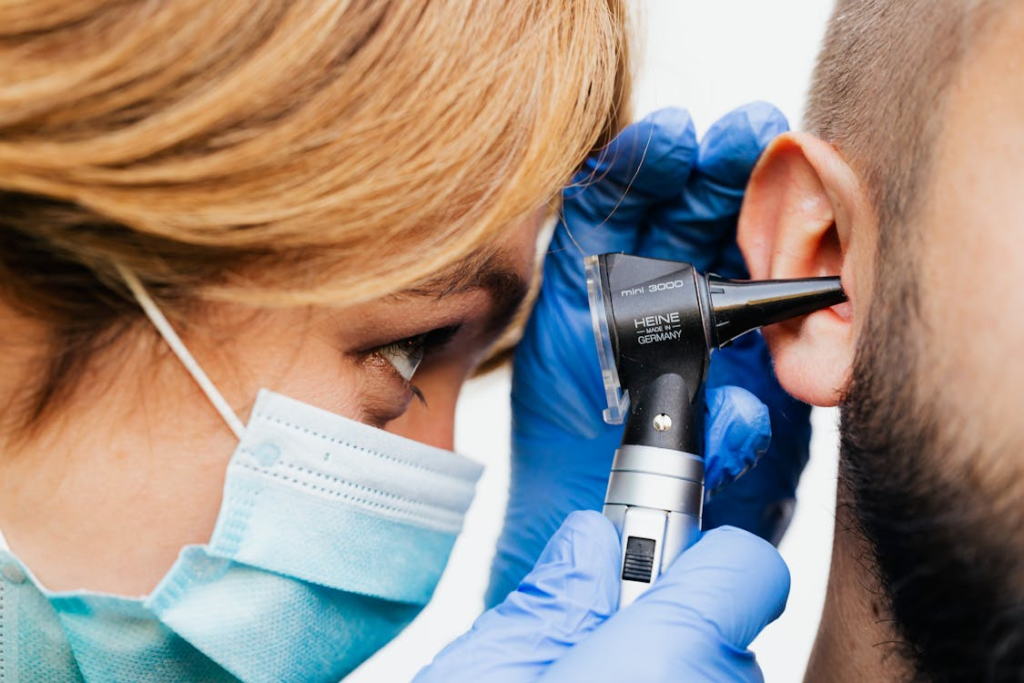
A quick check can answer questions you’ve been putting off. If you want guidance tailored to your work, lifestyle, and listening goals, scheduling a hearing evaluation at a clinic such as Owl Hearing Clinic can help you move from “guessing” to a clear plan based on measured results. It can give you simple next steps you can follow with confidence.
Build Smart Noise Habits At Home And Work
A practical rule is to treat sound as “too loud” when you need to raise your voice to talk to someone at arm’s length. That’s a strong cue that hearing protection or distance is needed, even outside a jobsite.
Aim for a simple toolkit: well-fitting earplugs for concerts, earmuffs for yard work or tools, and quiet breaks when you can. Rotating tasks, stepping away from speakers, and lowering headphone volume all reduce total exposure.
At work, consistent protection matters more than occasional perfection. The occupational guidance often highlighted for risk starts around 85 dBA over an eight-hour day, so a “loud enough to shout” environment deserves a plan.
Support Hearing In Babies And Young Children
Early hearing matters because it supports speech, language, and social development. Most hearing loss in infants isn’t obvious without screening, which is why newborn checks are so valuable.
Public health programs emphasize the “1-3-6” timing: screening by 1 month, diagnostic testing by 3 months if needed, and early intervention services by 6 months when hearing differences are confirmed.
At home, keep an eye on recurring ear infections, unclear speech, or difficulty following directions in noisy places. If concerns persist, a hearing evaluation can separate temporary issues (like fluid) from longer-term needs.
Help Teens And Young Adults Protect Their Ears
This age group often faces high sound exposure through earbuds, gaming headsets, concerts, gyms, and social events. The risk is less about one loud day and more about repeated “normal” listening that stays too high.
Encourage volume limits and breaks, not guilt. Small switches, noise-canceling headphones at lower volumes, a five-minute quiet reset each hour, or earplugs at live events, keep hearing safer without feeling restrictive.
If a teen mentions ringing, muffled hearing after a loud sound, or feeling “off” in one ear, treat it as a reason to scale back exposure and consider a check. Early awareness can prevent years of gradual change.
Make Communication Easier At Any Age
Good communication habits protect relationships while you address hearing concerns. Face-to-face conversation, good lighting, and reducing background sound can make speech clearer right away.
If you’re supporting a family member, focus on teamwork: repeat key words rather than whole sentences, confirm important details, and choose quieter seating in restaurants. These small shifts reduce fatigue for everyone.
When devices are recommended, treat them like vision correction—tools that reduce effort and improve participation. The best outcome is often less about “loudness” and more about clarity, comfort, and confidence.

Healthy hearing is about staying connected to daily life. A few consistent steps, noise protection, early screening for kids, and timely evaluations for adults can make a lasting difference.
If you’re noticing changes, acting early is a practical advantage. It brings clarity to what’s happening, helps you choose the right next step, and supports hearing that stays useful and comfortable across the years.

Sujan Pariyar is a Senior Editor at Silicon Valley Times. He has extensive experience in business, technology, and entrepreneurship journalism, with previous contributions to HuffPost, Thrive Global, Matador Network, and other international publications.
Sujan specializes in interviewing industry leaders and creating insightful, well-researched content that helps entrepreneurs and business professionals navigate innovation, growth, and strategic challenges. His writing focuses on delivering clear, substantive perspectives that inform and support decision-making in today’s dynamic business environment.